Transform Your Home: Guidelines for Selecting the Right Kitchen Remodeling Contractor
Finding the ideal kitchen renovation contractor is crucial for a successful home upgrade. A good contractor not only understands the vision but also contributes the necessary skills and experience to the project. Many factors come into play when choosing a contractor, from confirming credentials to evaluating past work. Comprehending these elements can significantly impact the outcome. What should homeowners prioritize in their search, and how can they guarantee a smooth collaboration?
Key Features of a Quality Renovation Contractor
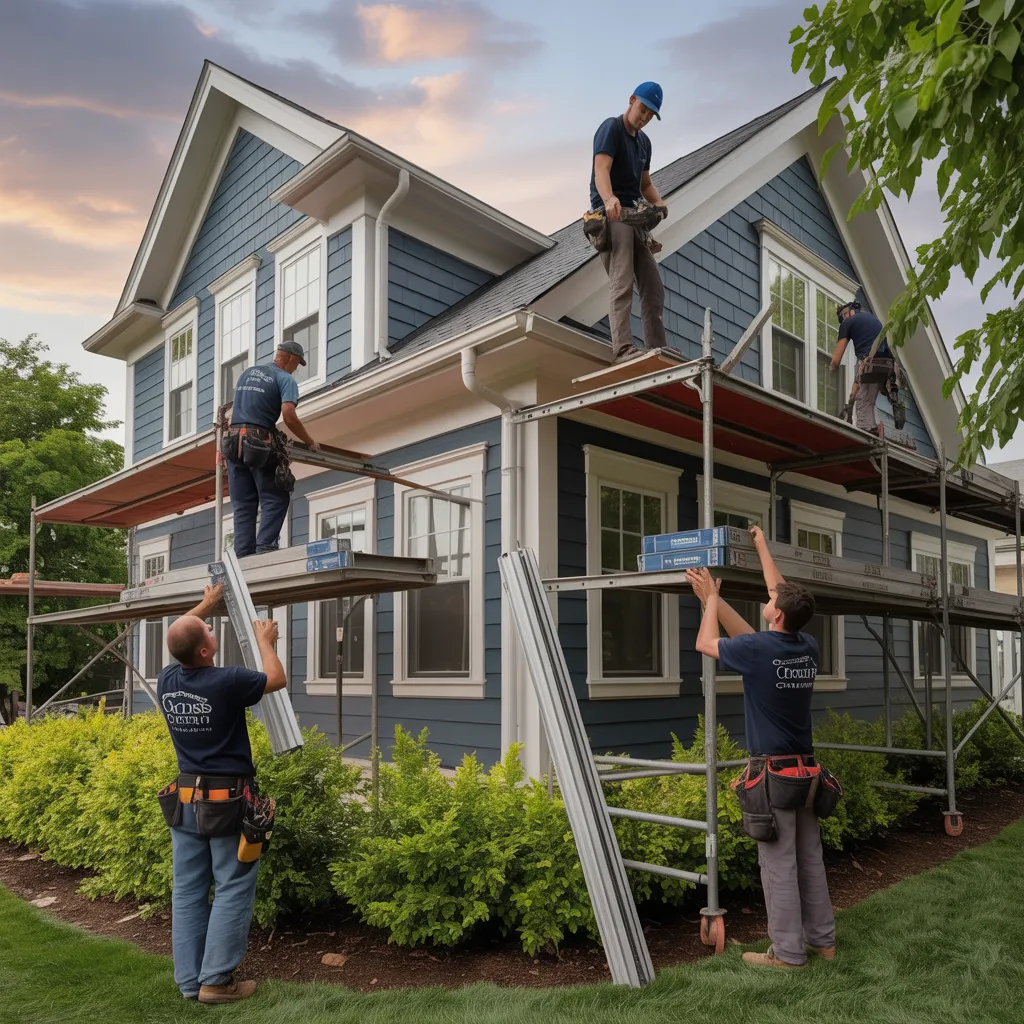
A skilled remodeling contractor functions as the cornerstone of any well-executed kitchen renovation. Their skill not only guides the project but also ensures that it aligns to the homeowner's vision. Important characteristics include effective communication skills, which allow them to communicate ideas and updates clearly. Meticulous attention is necessary, as it affects both visual appeal and functionality. A reliable contractor also demonstrates strong project management abilities, coordinating timelines, budgets, and subcontractors effectively. Reliability is vital; they should always meet deadlines and fulfill commitments. Furthermore, a good grasp of contemporary design styles and materials enables them to offer valuable insights. Finally, a reputable contractor builds strong relationships with clients, fostering trust and collaboration throughout the renovation process. These traits together lead to a seamless and effective kitchen remodeling experience.
Verifying Qualifications and Background of Potential Contractors
Confirming the qualifications and experience of prospective contractors is key for a fruitful kitchen remodeling project. Homeowners must initially verify the proper licenses, which prove the contractor’s compliance with local laws and industry norms. Moreover, insurance coverage is essential, providing protection to both parties against accidents or damages occurring during the renovation.
Background in like assignments is another crucial element. Contractors should present a portfolio highlighting previous projects, ideally in kitchen remodels, to show their capabilities. Client endorsements and ratings can also give insights into the contractor's trustworthiness and workmanship.
Moreover, trade associations with organizations such as the National Kitchen and Bath Association can show a commitment to quality and ongoing education in the field. By thoroughly evaluating qualifications and track record, homeowners can make informed decisions, limiting risks and heightening the likelihood of a accomplished kitchen redesign.
Uncovering Established Home Remodeling Contractors
Securing reputable renovation experts is indispensable for a successful kitchen update. It is important to verify their credentials and authorizations to guarantee they meet industry standards. Additionally, asking for recommendations can provide insights into a contractor's reputation and previous work quality.
Examine Credentials And Certifications
Prior to engaging a remodeling contractor, homeowners need to confirm that the professional holds the required credentials and licenses. Taking this step assists in guaranteeing that the specialist is experienced and follows local regulations. Homeowners can start by checking for state-mandated licenses, which can show a contractor's competence and reliability. Additionally, qualifications from industry organizations can also validate a contractor's skills and commitment to quality. Homeowners should also inquire regarding insurance coverage, including liability and workers' compensation, to safeguard against possible liabilities. Homeowners who take time to confirm these qualifications can make smarter decisions, thus minimizing the chance of hiring unqualified contractors for their kitchen remodeling projects.
Ask For Recommendations
Vital Questions to Discuss with Your Home Improvement Contractor?
What essential concerns should property owners examine when hiring a remodeling contractor? First, they should ask about the contractor's track record with kitchen remodels, including the number of completed comparable projects. Homeowners should also inquire about licensing and insurance to guarantee compliance with local regulations and security against liabilities. Understanding the contractor's timeline for project delivery is vital, as is asking about the expected payment schedule.
Additionally, property owners should request testimonials from past clients to gauge contentment and dependability. It's important to talk about the contractor's approach to managing unexpected problems that may arise during the project. Homeowners should also confirm what supplies will be used and whether they are included in the initial estimate. Finally, discussing communication methods throughout the renovation can promote a smoother remodeling experience. These questions help establish trust and guarantee that expectations are aligned from the outset.
Assessing Contractor Bids
Homeowners should be careful of estimates that appear markedly lower than others; these might indicate concealed expenses or inferior quality. On the other hand, a higher estimate does not always assure better workmanship. It is essential to evaluate the complete picture rather than just the expense. Requesting that contractors explain unclear details can further assist in an knowledgeable choice. Ultimately, this detailed review assures that homeowners select a contractor who fits their budget parameters and desired outcomes.
Approaches for Creating a Robust Working Partnership With Your Contractor
Forging a dependable professional relationship with a contractor is essential for a successful kitchen renovation. Clear communication systems, realistic view now expectations, and reciprocal respect and trust constitute the foundation of this engagement. Establishing these elements at the start can lead to a smoother remodel process and better outcomes.
Create established messaging systems
Developing effective communication channels is crucial for a successful kitchen remodeling project. Strong interaction advances trust and partnership between homeowners and contractors. It is important for both parties to decide preferred communication methods, whether through emails, phone calls, or text messages. Ongoing updates and check-ins can help address concerns quickly and keep the project moving forward. Homeowners should prepare a compilation of questions and expectations to communicate to their contractors, making certain that all parties remain coordinated. Additionally, establishing a joint schedule for project milestones can promote accountability. By supporting transparent communication, homeowners and contractors can navigate challenges more effectively, ultimately resulting in a improved renovation process and a successful outcome.
Set Practical Expectations As a Team
Setting realistic expectations is vital for nurturing a productive collaboration between homeowners and contractors. Clear dialogues about project timelines, budgets, and design goals can help reduce misunderstandings. Homeowners should convey their vision while remaining open to professional advice, allowing contractors to provide insights based on experience. Establishing a detailed project scope is necessary, as it outlines responsibilities and deliverables, encouraging accountability. Regular check-ins throughout the remodeling process can also ensure that both parties stay aligned. By setting attainable milestones and being realistic about potential challenges, homeowners and contractors can work together effectively, cutting stress and improving overall satisfaction with the project. This proactive approach sets the stage for a successful and harmonious remodeling experience.
Cultivate Collective Reliance And Respect
Confidence and regard constitute the cornerstones of a strong partnership between homeowners and contractors. Establishing transparent exchange is necessary; homeowners should state their aspirations while contractors need to offer straightforward assessments and timelines. Frequent updates help in maintaining honesty, which moreover strengthens trust. Honoring each other's expertise is essential, as homeowners should appreciate the contractor's proficiency, while the contractor should value the homeowner's preferences. Handling matters expeditiously and courteously fosters a healthy collaborative space. Additionally, establishing boundaries, such as work hours and communication methods, can avoid miscommunication. By cultivating an context of collective confidence and esteem, both parties can cooperate effectively, guaranteeing a easier remodeling process and a positive outcome.
Frequently Raised Queries
How Do I Resolve Disputes With My Remodeling Contractor?
To manage conflicts with a renovation professional, one should express yourself plainly, document all interactions, and seek a resolution through discussion. If required, involving a mediator or legal advice may also be helpful for resolving significant issues.
What Is the Usual Timeline for a Kitchen Remodel?
A common kitchen remodeling timeframe extends from six to twelve weeks, contingent on the project's scope. Variables such as intricacy of design, accessibility of materials, and contractor productivity can influence this duration substantially throughout the process.
What Unexpected Charges Should I Be Aware Of?
Hidden costs in a kitchen renovation often comprise unexpected structural repairs, permit fees, appliance upgrades, and labor costs. It's crucial for homeowners to plan financially for these potential expenses to avoid financial strain during the project.
Can I stay in My Home During the Renovation?
Yes, homeowners can often live in their homes during remodeling work, though it may be inconvenient. It's important to converse with contractors about targeted zones impacted to lessen disturbance and ensure security throughout the undertaking.
Which Aesthetic Styles Are Presently Trending for Kitchens?
Modern farmhouse, simple, and industrial styles are currently trending for kitchens. Elements like open shelving, natural materials, and bold colors improve usability while reflecting personal aesthetics, making these designs both practical and visually appealing.